Four years ago, Hassan Rouhani won the first round of the Iranian presidential election of that year; as he secured more than 50% of the vote, he won the election outright and no run-off was required. As Iranian presidents have four-year terms, 2017 has been Rouhani's re-election; thankfully, he won:
Not only did Rouhani win re-election but he did so with an increased mandate, with both a larger amount of votes and an increased vote percentage. This is excellent news, as it means that Iranian moderates continue to control the presidency while all the hardline candidates were defeated. It is especially important for people like Rouhani to remain in charge of Iran; given who is currently President of the United States, it would be - unproductive, to say the least - for a loudmouthed and reckless hardliner to lead Iran at this time (or any time, for that matter, but least of all now).
Showing posts with label Iran. Show all posts
Showing posts with label Iran. Show all posts
Saturday, 20 May 2017


Tuesday, 10 January 2017
Akbar Hashemi Rafsanjani
A former president of Iran, Akbar Hashemi Rafsanjani, has died:
While he was involved with the 1979 revolution, Rafsanjani frequently railed against the hardliners in his country and was president from 1989 to 1997. Prior to his presidency, he helped bring an end to the eight-year-long Iran-Iraq War by encouraging his country to accept the US resolution that ended the war; Rafsanjani had, in that war, been appointed by the Ayatollah to be the commander-in-chief of the military. He ran for a third term as president in 2005 but Mahmoud Ahmadinejad defeated him. Rafsanjani backed Hassan Rouhani in 2013 and was a strong ally of his.
As president, he was known for being a moderate and strongly pursued moderate causes, hence his support for the aforementioned Rouhani. Let's hope his death emboldens rather than demotivates Iran's moderates and progressives; Iran doesn't need to return to the old ways of the hardliners.
While he was involved with the 1979 revolution, Rafsanjani frequently railed against the hardliners in his country and was president from 1989 to 1997. Prior to his presidency, he helped bring an end to the eight-year-long Iran-Iraq War by encouraging his country to accept the US resolution that ended the war; Rafsanjani had, in that war, been appointed by the Ayatollah to be the commander-in-chief of the military. He ran for a third term as president in 2005 but Mahmoud Ahmadinejad defeated him. Rafsanjani backed Hassan Rouhani in 2013 and was a strong ally of his.
As president, he was known for being a moderate and strongly pursued moderate causes, hence his support for the aforementioned Rouhani. Let's hope his death emboldens rather than demotivates Iran's moderates and progressives; Iran doesn't need to return to the old ways of the hardliners.
Saturday, 30 July 2016
Hillary Clinton's acceptance speech at the 2016 Democratic National Convention
Two days ago, former Secretary of State Hillary Clinton accepted her party's nomination for president. As such, she became the first female nominee for a major party in the United States. There have been female candidates for the past few elections but they've been those from minor parties or independents.
Clinton's speech followed a similar pattern to the other speeches I've watched in that she focused on her personal history, her relationship with her husband, the strength of her people, rejecting her opponent's negativity and heaping praise upon Bernie Sanders. To comment on some highlights:
A good start, I thought; giving thanks to her supporters and campaigners, and to her family and friends. Granted, I supported Barack Obama in 2008 and Bernie Sanders this year but I do acknowledge that it has been a long road for Clinton to make it to this point.
While I'm sure Clinton was being fully genuine with this, it will be important for her to win the Obama Coalition for her to secure the presidency. Noting where Obama has aided her will go a long way towards ensuring those voters are there for her on Election Day.
Speaking of winning over voters, a magnanimous approach towards her former primary opponent is extremely wise. Sanders' supporters should be heartened that the good Senator himself was able to have such a huge influence on the party platform, which Clinton noted they both helped to write. As Clinton will also need a high youth turnout to ensure her victory, noting their support of Sanders is a smart move.
This paragraph alone is far more positive than anything than Clinton's general election stated in his speech. Rather than talking about America as though the nation is ripped apart and under constant attack, Clinton discussed the country's strengths. This is something she'll need to emphasize in the upcoming debates nearer to Election Day.
This is kind of what Obama meant in his "You didn't build that" speech from the 2012 campaign trail. No one person can build anything alone; they might be the driving force behind a change but they need the help of others to make it work.
Many Americans nowadays feel as though the notion of the "American Dream" is little more than that - a dream. This is a clever use of Clinton's family history to remind people that maybe - just maybe - it's more than that.
I only learned this past week about the work Clinton has done for disabled students, as well as learned more about the healthcare program she acquired for the nation's children. Such accomplishments of hers are often overlooked, as many people seem to be more interested in her errors.
Again, Clinton is the first female major party nominee; should she go on to win the election, she will deserve as inspiration for women across the globe, whether you like her or not. Note her hinting here that if women are allowed to flourish, men are helped, too.
"That's why we need to appoint Supreme Court justices who will get money out of politics and expand voting rights, not restrict them. And if necessary we'll pass a constitutional amendment to overturn Citizens United!"
Nice mention of a key Sanders point there - overturning Citizens United, as well as highlighting the need to elect Clinton so that she can appoint sensible people to the Supreme Court, which is perhaps the most important reason to elect her. Her opponent is almost certain to appoint people who will strike down crucial civil rights rulings, such as those that protect the rights of women, voters and the LGBT community.
Her opponent's speech was indeed devoid of any specific plans for how he would improve America. Much of it was fearmongering and the misguided belief that the US should adopt some sort of siege mentality.
Another piece of meat for Sanders' supporters but also a very important issue to address. Student debt is a serious problem in the US and in some other developed nations, such as the United Kingdom. I hope that Clinton and her administration follow through with this and are able to erase student debt.
This is the Iran deal I wrote about last July, the one that has indeed scaled back Iran's nuclear program and put the country in a stronger position now that it's agreed to cooperate and because some of the sanctions placed on it have been lifted. Iran is no longer considered a "top threat" in the Middle East; in fact, Iran could now be useful at dealing with other problems in the Middle East.
An overall positive note on which to end the speech but I do agree with Clinton that the world is indeed watching. Many people I've spoken to here are baffled that her opponent has made it as far as he has in the election and many fear the consequences if he wins. What happens in America affects the world as a whole, given the country's huge global influence.
When Clinton ended her speech, Katy Perry's "Firework" and Sara Bareilles' "Brave" played, which seemed like appropriate songs on which to conclude. On the whole, I was pleased with Clinton's acceptance.
The transcript of Clinton's speech can be found on the Los Angeles Times.
Clinton's speech followed a similar pattern to the other speeches I've watched in that she focused on her personal history, her relationship with her husband, the strength of her people, rejecting her opponent's negativity and heaping praise upon Bernie Sanders. To comment on some highlights:
"On Tuesday night, I was so happy to see that my Explainer-in-Chief is
still on the job. I'm also grateful to the rest of my family and the
friends of a lifetime. To all of you whose hard work brought us here
tonight. And to those of you who joined our campaign this week. And
what a remarkable week it's been."
A good start, I thought; giving thanks to her supporters and campaigners, and to her family and friends. Granted, I supported Barack Obama in 2008 and Bernie Sanders this year but I do acknowledge that it has been a long road for Clinton to make it to this point.
"We heard the man from Hope, Bill Clinton. And the man of Hope, Barack
Obama. America is stronger because of President Obama's leadership, and I'm better because of his friendship."
While I'm sure Clinton was being fully genuine with this, it will be important for her to win the Obama Coalition for her to secure the presidency. Noting where Obama has aided her will go a long way towards ensuring those voters are there for her on Election Day.
"And I want to thank Bernie Sanders. Bernie, your campaign inspired
millions of Americans, particularly the young people who threw their
hearts and souls into our primary. You've put economic and social
justice issues front and center, where they belong."
Speaking of winning over voters, a magnanimous approach towards her former primary opponent is extremely wise. Sanders' supporters should be heartened that the good Senator himself was able to have such a huge influence on the party platform, which Clinton noted they both helped to write. As Clinton will also need a high youth turnout to ensure her victory, noting their support of Sanders is a smart move.
"But just look at the strengths we bring as Americans to meet these challenges. We have the most dynamic and diverse people in the world. We have the most tolerant and generous young people we've ever had. We have the most powerful military. The most innovative entrepreneurs. The most enduring values."
This paragraph alone is far more positive than anything than Clinton's general election stated in his speech. Rather than talking about America as though the nation is ripped apart and under constant attack, Clinton discussed the country's strengths. This is something she'll need to emphasize in the upcoming debates nearer to Election Day.
"This is what I mean. None of us can raise a family, build a business, heal a community or lift a country totally alone."
This is kind of what Obama meant in his "You didn't build that" speech from the 2012 campaign trail. No one person can build anything alone; they might be the driving force behind a change but they need the help of others to make it work.
"My grandfather worked in the same Scranton lace mill for 50 years. Because he believed that if he gave everything he had, his children would have a better life than he did. And he was right."
Many Americans nowadays feel as though the notion of the "American Dream" is little more than that - a dream. This is a clever use of Clinton's family history to remind people that maybe - just maybe - it's more than that.
"So we gathered facts. We built a coalition. And our work helped convince
Congress to ensure access to education for all students with
disabilities."
I only learned this past week about the work Clinton has done for disabled students, as well as learned more about the healthcare program she acquired for the nation's children. Such accomplishments of hers are often overlooked, as many people seem to be more interested in her errors.
"Happy for boys and men, too – because when any barrier falls in America, for anyone, it clears the way for everyone. When there are no ceilings, the sky's the limit. So let's keep going, until every one of the 161 million women and girls across America has the opportunity she deserves."
Again, Clinton is the first female major party nominee; should she go on to win the election, she will deserve as inspiration for women across the globe, whether you like her or not. Note her hinting here that if women are allowed to flourish, men are helped, too.
"That's why we need to appoint Supreme Court justices who will get money out of politics and expand voting rights, not restrict them. And if necessary we'll pass a constitutional amendment to overturn Citizens United!"
Nice mention of a key Sanders point there - overturning Citizens United, as well as highlighting the need to elect Clinton so that she can appoint sensible people to the Supreme Court, which is perhaps the most important reason to elect her. Her opponent is almost certain to appoint people who will strike down crucial civil rights rulings, such as those that protect the rights of women, voters and the LGBT community.
"Now, you didn't hear any of this from Donald Trump at his convention. He spoke for 70-odd minutes – and I do mean odd. And he offered zero solutions.
But we already know he doesn't believe these things. No wonder he doesn't like talking about his plans. You might have noticed, I love talking about mine."
Her opponent's speech was indeed devoid of any specific plans for how he would improve America. Much of it was fearmongering and the misguided belief that the US should adopt some sort of siege mentality.
"Bernie Sanders and I will work together to make college tuition-free for
the middle class and debt-free for all! We will also liberate
millions of people who already have student debt."
Another piece of meat for Sanders' supporters but also a very important issue to address. Student debt is a serious problem in the US and in some other developed nations, such as the United Kingdom. I hope that Clinton and her administration follow through with this and are able to erase student debt.
"I'm proud that we put a lid on Iran's nuclear program without firing a single shot[...]"
This is the Iran deal I wrote about last July, the one that has indeed scaled back Iran's nuclear program and put the country in a stronger position now that it's agreed to cooperate and because some of the sanctions placed on it have been lifted. Iran is no longer considered a "top threat" in the Middle East; in fact, Iran could now be useful at dealing with other problems in the Middle East.
"Yes, the world is watching what we do. Yes,
America's destiny is ours to choose. So let's be stronger together, my
fellow Americans. Let’s look to the future with courage and confidence.
Let’s build a better tomorrow for our beloved children and our beloved
country. And when we do, America will be greater than ever."
An overall positive note on which to end the speech but I do agree with Clinton that the world is indeed watching. Many people I've spoken to here are baffled that her opponent has made it as far as he has in the election and many fear the consequences if he wins. What happens in America affects the world as a whole, given the country's huge global influence.
When Clinton ended her speech, Katy Perry's "Firework" and Sara Bareilles' "Brave" played, which seemed like appropriate songs on which to conclude. On the whole, I was pleased with Clinton's acceptance.
The transcript of Clinton's speech can be found on the Los Angeles Times.
Sunday, 17 January 2016
Sanctions revert
Many of the sanctions placed on Iran by the European Union, United Nations and United States were lifted or suspended today:
While a multitude of the sanctions were measures taken to prevent Iran from developing nuclear weapons, others were implemented before 2006 for other reasons. This rolling back of sanctions is because of Iran's compliance with a nuclear deal arranged between itself and the West last year, which was welcomed by the world.
This move allows the Iranian economy to start recovering from years of heavy sanctions. It will benefit the Iranian people while everyone as a whole benefits from continually-improving relations between Iran and the West. In addition, Iran's help is desperately needed to deal with serious issues affecting the Middle East at the moment, so it's in the world's interests to have Iran on board with the international community. The lifting/suspending of sanctions goes a long way towards making that a reality.
The only people who oppose the deal are hardliners and "warmongers" who, for no sane reason, want more conflict in the Middle East. The people in that part of the world are tired of war - they want to fighting to stop, not to escalate.
While a multitude of the sanctions were measures taken to prevent Iran from developing nuclear weapons, others were implemented before 2006 for other reasons. This rolling back of sanctions is because of Iran's compliance with a nuclear deal arranged between itself and the West last year, which was welcomed by the world.
This move allows the Iranian economy to start recovering from years of heavy sanctions. It will benefit the Iranian people while everyone as a whole benefits from continually-improving relations between Iran and the West. In addition, Iran's help is desperately needed to deal with serious issues affecting the Middle East at the moment, so it's in the world's interests to have Iran on board with the international community. The lifting/suspending of sanctions goes a long way towards making that a reality.
The only people who oppose the deal are hardliners and "warmongers" who, for no sane reason, want more conflict in the Middle East. The people in that part of the world are tired of war - they want to fighting to stop, not to escalate.
Saturday, 10 October 2015
Americans and their passports
The world enjoys mocking the United States regarding how supposedly a low percentage of Americans hold passports (ranging from 10-30% by some estimates). It feeds the stereotype that Americans are uncultured and ignorant of the world beyond their borders while believing that the United States is the center of the planet. It's argued that the American government and media declaring that the United States is the "greatest country in the world" discourages Americans from going abroad. That might be one explanation but how about a good-faith, less hateful reason?
Look at the geography and climates of the United States. It's one of the few countries that has a massive array of landscapes and terrains. Do you want forests? The Pacific Northwest is the place for you. Deserts? The Southwest. Beaches? California and Florida. Mountains and snow? Alaska is the answer. Surfing? The Golden State again and Hawaii. Flat and farmlands? The Great Plains states. Places with an "old" feel to them? New England, parts of the mid-Atlantic and Virginia would be safe bets. With all this tucked into one giant country, is it any wonder why many Americans don't see the need to travel abroad? Why bother with the hassle of international airports when you have everything you need and want within your vicinity?
It could be argued that exploring a foreign country opens you up to a new culture. That is true but honestly, how many other international travelers go to another country "for the culture"? Many people have to travel because it's a part of their job, much as it was for my father; his time in other countries was for work-sponsored tasks, not for pleasure. In addition to him, people such as diplomats, military personnel and aircraft crews are all required to travel by the nature of their jobs. They're not going there specifically to absorb local cultures, although it can sometimes still be possible for them to simultaneously work and experience another country. Immigrants usually choose to move to another country for economic reasons; learning the new culture is a part of immigration rather than the cause of it; take my family - our international moves stemmed from economic motives.
And, of course, let's not forget the thousands of British people who visit Spain, Italy and Greece every year. Are they going there because they harbor deep desires to learn about the Reconquista, Leonardo da Vinci and the Cradle of Western Civilization? No, they go there for the beaches, the hot weather and (sometimes) for intentional intoxication. Who does more harm: somebody who visits Spain, gets drunk and ends up committing a crime or a family who travels from Ohio to Florida on a family vacation?
Not visiting other countries does not mean that you know nothing about them: Thanks to the Internet and easy communication, I know about French politics despite having never set foot in France. I haven't been to Iran yet I have conducted some studying of its cities and while I've never been anywhere near New Zealand, I have learnt that its terrain is similar to that of Oregon. Granted, it would be an amazing opportunity to visit these places and I would benefit from that but, at the same time, I lose nothing by not traveling. I would never criticize Americans who don't engage in international travel and I would be a hypocrite if I ever were to: during my family's fourteen-and-a-third years living there, I never left the country during that time (except when we moved away) and I have yet to travel from the United Kingdom since we came here in 2010. Only Dad travelled - because it was required of him for his work.
It's not shameful to not travel provided that you don't hate other peoples simply because they're different. The problem isn't people who don't travel - it's people who don't take the time to learn, understand and appreciate others, and such close-minded individuals can be of any nationality.
Look at the geography and climates of the United States. It's one of the few countries that has a massive array of landscapes and terrains. Do you want forests? The Pacific Northwest is the place for you. Deserts? The Southwest. Beaches? California and Florida. Mountains and snow? Alaska is the answer. Surfing? The Golden State again and Hawaii. Flat and farmlands? The Great Plains states. Places with an "old" feel to them? New England, parts of the mid-Atlantic and Virginia would be safe bets. With all this tucked into one giant country, is it any wonder why many Americans don't see the need to travel abroad? Why bother with the hassle of international airports when you have everything you need and want within your vicinity?
It could be argued that exploring a foreign country opens you up to a new culture. That is true but honestly, how many other international travelers go to another country "for the culture"? Many people have to travel because it's a part of their job, much as it was for my father; his time in other countries was for work-sponsored tasks, not for pleasure. In addition to him, people such as diplomats, military personnel and aircraft crews are all required to travel by the nature of their jobs. They're not going there specifically to absorb local cultures, although it can sometimes still be possible for them to simultaneously work and experience another country. Immigrants usually choose to move to another country for economic reasons; learning the new culture is a part of immigration rather than the cause of it; take my family - our international moves stemmed from economic motives.
And, of course, let's not forget the thousands of British people who visit Spain, Italy and Greece every year. Are they going there because they harbor deep desires to learn about the Reconquista, Leonardo da Vinci and the Cradle of Western Civilization? No, they go there for the beaches, the hot weather and (sometimes) for intentional intoxication. Who does more harm: somebody who visits Spain, gets drunk and ends up committing a crime or a family who travels from Ohio to Florida on a family vacation?
Not visiting other countries does not mean that you know nothing about them: Thanks to the Internet and easy communication, I know about French politics despite having never set foot in France. I haven't been to Iran yet I have conducted some studying of its cities and while I've never been anywhere near New Zealand, I have learnt that its terrain is similar to that of Oregon. Granted, it would be an amazing opportunity to visit these places and I would benefit from that but, at the same time, I lose nothing by not traveling. I would never criticize Americans who don't engage in international travel and I would be a hypocrite if I ever were to: during my family's fourteen-and-a-third years living there, I never left the country during that time (except when we moved away) and I have yet to travel from the United Kingdom since we came here in 2010. Only Dad travelled - because it was required of him for his work.
It's not shameful to not travel provided that you don't hate other peoples simply because they're different. The problem isn't people who don't travel - it's people who don't take the time to learn, understand and appreciate others, and such close-minded individuals can be of any nationality.
Thursday, 3 September 2015
Safe Iran
I've have stated before that I oppose war against Iran. Nothing will shift me away from that view and the current migrant/refugee situation currently occurring in the Middle East reinforces my position. Iran is a safe and stable country, which has been accepting people fleeing from war-afflicted areas. War with Iran would mean that those people would then have to flee to other countries and Iran itself would be turned into a war-afflicted region, which would then create additional refugees. Further destruction in the Middle East will not solve any problems.
Iran is a heavily armed country, with a strong military and a large cache of weapons. If Iran were to become de-stabilised due to foreign military strikes, ISIS would likely infiltrate the nation and take large swaths of it over, much like it has in Iraq and Syria. Having significant amounts of Iran's military personnel and weapons absorbed into ISIS would be a far more dangerous situation than the current status quo, even more so when Iran is opposed to ISIS and ought to be included in the coalition against it.
Needless to say, anyone who supports war with Iran is terrible at military strategy, as well as a warmonger and a fool.
Iran is a heavily armed country, with a strong military and a large cache of weapons. If Iran were to become de-stabilised due to foreign military strikes, ISIS would likely infiltrate the nation and take large swaths of it over, much like it has in Iraq and Syria. Having significant amounts of Iran's military personnel and weapons absorbed into ISIS would be a far more dangerous situation than the current status quo, even more so when Iran is opposed to ISIS and ought to be included in the coalition against it.
Needless to say, anyone who supports war with Iran is terrible at military strategy, as well as a warmonger and a fool.
Thursday, 16 July 2015
The new Iran deal
In June of 2013, I wrote about my thoughts on the election of Hassan Rouhani to the position of President of Iran. Later that year, I wrote about an interim deal between Iran and the West. In recent days, a new deal has been struck with Iran to scale back its nuclear program.
What do I think about the deal? I am happy with it. As I've said before, I favour efforts to prevent war; the officials who has worked hard to secure the deal - individuals such as US Secretary of State John Kerry, the UK's Secretary of State for Foreign and Commonwealth Affairs Philip Hammond, and Iran's Minister of Foreign Affairs Mohammad Javad Zarif - should all be commended. The actions of these people and others have all contributed towards nuclear non-proliferation, towards peace and towards international co-operation.
By contrast, I think those who are criticising the deal and/or have stated their intentions to actively sabotage it should be condemned. Seriously, why are people who advocate for more war in the Middle East being granted any sort of attention? They should be refuted and dismissed, not treated as though they have any credibility.
I hope the deal will lead to a continuing improvement of relations between Iran and the West. Such an amelioration is good for all sides and the world as a whole.
What do I think about the deal? I am happy with it. As I've said before, I favour efforts to prevent war; the officials who has worked hard to secure the deal - individuals such as US Secretary of State John Kerry, the UK's Secretary of State for Foreign and Commonwealth Affairs Philip Hammond, and Iran's Minister of Foreign Affairs Mohammad Javad Zarif - should all be commended. The actions of these people and others have all contributed towards nuclear non-proliferation, towards peace and towards international co-operation.
By contrast, I think those who are criticising the deal and/or have stated their intentions to actively sabotage it should be condemned. Seriously, why are people who advocate for more war in the Middle East being granted any sort of attention? They should be refuted and dismissed, not treated as though they have any credibility.
I hope the deal will lead to a continuing improvement of relations between Iran and the West. Such an amelioration is good for all sides and the world as a whole.
Wednesday, 1 October 2014
Jimmy Carter's 90th birthday
Today is former President of the United States Jimmy Carter's 90th birthday. Of the current living former US presidents, Carter is by far my favorite; I deeply respect him.
Carter is frequently criticized and ridiculed for his service as president, as his record is viewed by some as poor on the economy and cowardly on foreign policy. While it's unfortunate that he wasn't able to achieve more while he held the office, I think that he has been highly productive and a positive influence since leaving it: his commitment to women's rights and to world peace are highly admirable and should be praised.
Carter has always struck me as a fundamentally good and honest human being. I was delighted to read today that he decided against bombing Iran as a response to the hostage crisis and to guarantee his re-election; such a war would have been catastrophic for both Iran and the United States. Carter also said that had he secured re-election, he would have continued to pursue peace in the Middle East.
I am amazed by how active Carter is, despite his advanced age. He is still involved with human rights and peace efforts, and has even engaged in recent volunteer work, such as when he went with his wife, Rosalynn, to Haiti in 2012 to help build houses for the inhabitants of that country, which was devastated by an earthquake in 2010.
Happy birthday, Jimmy Carter! May you have many more!
Carter is frequently criticized and ridiculed for his service as president, as his record is viewed by some as poor on the economy and cowardly on foreign policy. While it's unfortunate that he wasn't able to achieve more while he held the office, I think that he has been highly productive and a positive influence since leaving it: his commitment to women's rights and to world peace are highly admirable and should be praised.
Carter has always struck me as a fundamentally good and honest human being. I was delighted to read today that he decided against bombing Iran as a response to the hostage crisis and to guarantee his re-election; such a war would have been catastrophic for both Iran and the United States. Carter also said that had he secured re-election, he would have continued to pursue peace in the Middle East.
I am amazed by how active Carter is, despite his advanced age. He is still involved with human rights and peace efforts, and has even engaged in recent volunteer work, such as when he went with his wife, Rosalynn, to Haiti in 2012 to help build houses for the inhabitants of that country, which was devastated by an earthquake in 2010.
Happy birthday, Jimmy Carter! May you have many more!
Monday, 25 November 2013
Iran deal
Given that I've commented about Iran on a few occasions, it seems fair that I should comment on the interim deal. What do I think about it?
As I am sure it's obvious, I am pleased. Iran will significantly scale back its nuclear programme and allow more thorough inspections in exchange for some sanctions relief. Granted, this is only an interim deal and it will not end the dispute, but it will enormously contribute towards a peaceful resolution.
This is the first major deal between the West and Iran since 1979. I think it is a welcome change from threats (from both sides) and sanctions. I'd like this deal to be among first major barriers broken in the path towards normalising relations between Iran and the United States, and Iran's and its relations with other nations.
It is natural for people to be cautious about the deal, but I'd like to see effort put into ensuring it is successful in the coming months rather than concede now by assuming it's going to fail. The fact the deal even exists is evidence of how far the situation has positively progressed; all parties involved just need to be patient and follow it through.
As I am sure it's obvious, I am pleased. Iran will significantly scale back its nuclear programme and allow more thorough inspections in exchange for some sanctions relief. Granted, this is only an interim deal and it will not end the dispute, but it will enormously contribute towards a peaceful resolution.
This is the first major deal between the West and Iran since 1979. I think it is a welcome change from threats (from both sides) and sanctions. I'd like this deal to be among first major barriers broken in the path towards normalising relations between Iran and the United States, and Iran's and its relations with other nations.
It is natural for people to be cautious about the deal, but I'd like to see effort put into ensuring it is successful in the coming months rather than concede now by assuming it's going to fail. The fact the deal even exists is evidence of how far the situation has positively progressed; all parties involved just need to be patient and follow it through.
Wednesday, 20 November 2013
The phone call (2)
Back in September, I expressed my feelings of delight that President Barack Obama and Iranian President Hassan Rouhani had spoken to each other over the telephone. It was the first direct conversation between an American president and an Iranian president since the Iranian Revolution in 1979.
Last night, I was pleased to read that the Prime Minister of the United Kingdom, David Cameron, recently spoke to Mr. Rouhani:
Mr. Cameron is the first British prime minister to call an Iranian president in over ten years. They agreed to improve relations between the two nations and they discussed Iran's nuclear programme. It might not seem like much but it's a huge improvement compared to threats and grandstanding.
By speaking to the President of the United States and the Prime Minister of the United Kingdom, Mr. Rouhani has achieved more for improving Iran's international relations in three months than his predecessor did in eight years. I did not expect him to magically fix everything overnight but so far he has kept his campaign promise to mend ties with other nations and work with them.
I'd also like to add that Israel, which considers Iran to be its primary enemy, has expressed its concerns about any deal between Iran and the West; I think that Israel is very much welcome to have concerns but I also think that any deal that emerges stands to benefit Israel as much as it does Iran. After all, the average Israeli doesn't want war any more than the average Iranian, Briton or American does. It would be great if, once a deal finally does come to light, relations between those two countries can begin to heal. I think we'd all like that outcome.
Last night, I was pleased to read that the Prime Minister of the United Kingdom, David Cameron, recently spoke to Mr. Rouhani:
Mr. Cameron is the first British prime minister to call an Iranian president in over ten years. They agreed to improve relations between the two nations and they discussed Iran's nuclear programme. It might not seem like much but it's a huge improvement compared to threats and grandstanding.
By speaking to the President of the United States and the Prime Minister of the United Kingdom, Mr. Rouhani has achieved more for improving Iran's international relations in three months than his predecessor did in eight years. I did not expect him to magically fix everything overnight but so far he has kept his campaign promise to mend ties with other nations and work with them.
I'd also like to add that Israel, which considers Iran to be its primary enemy, has expressed its concerns about any deal between Iran and the West; I think that Israel is very much welcome to have concerns but I also think that any deal that emerges stands to benefit Israel as much as it does Iran. After all, the average Israeli doesn't want war any more than the average Iranian, Briton or American does. It would be great if, once a deal finally does come to light, relations between those two countries can begin to heal. I think we'd all like that outcome.
Saturday, 28 September 2013
The phone call
I was delighted to read that President Barack Obama and Iranian President Hassan Rouhani had a telephone conversation with each other. This phone call is significant because it is the first such discussion between an American president and an Iranian president since the revolution in Iran in 1979.
Back in June, I wrote about how pleased I am that the people of Iran elected Mr. Rouhani, a moderate. I expressed hope that Mr. Rouhani would carry out on his campaign promises, specifically improving Iran's international relations — with the West in particular; since his inauguration he has pursued that goal.
Both presidents seem to have enjoyed their conversation and have considered it productive. I am glad, because I feel that there has been too much talk for the past few years of striking Iran's nuclear programme and I strongly oppose new wars — there is too much conflict already, especially in the Middle East. While I don't support Iran (or any other nation, for that matter) having nuclear weapons, I also don't support any sort of military action against them. Anything that helps to prevent a war, such as this phone call, is beneficial to everyone.
I cannot see why anyone would object to something that would greatly reduce the chances of a new war while improving relations with Iran. Unless they have a deep hatred of Mr. Obama that they will oppose anything he does no matter what and/or are a warmonger, there is no reason to hold a negative opinion of the conversation between the two presidents. We should be glad that they both desire the dispute to have a friendly and mutually acceptable end.
Mr. Rouhani has stated that he'd like the nuclear dispute to be resolved within the next six months. While I think that's a little too optimistic (although I hope I'm wrong and everything is settled in that time), at least he and the West are speaking in much friendlier tones than before the recent Iranian presidential election and are moving towards a peaceful outcome. In that situation, everyone wins.
Back in June, I wrote about how pleased I am that the people of Iran elected Mr. Rouhani, a moderate. I expressed hope that Mr. Rouhani would carry out on his campaign promises, specifically improving Iran's international relations — with the West in particular; since his inauguration he has pursued that goal.
Both presidents seem to have enjoyed their conversation and have considered it productive. I am glad, because I feel that there has been too much talk for the past few years of striking Iran's nuclear programme and I strongly oppose new wars — there is too much conflict already, especially in the Middle East. While I don't support Iran (or any other nation, for that matter) having nuclear weapons, I also don't support any sort of military action against them. Anything that helps to prevent a war, such as this phone call, is beneficial to everyone.
I cannot see why anyone would object to something that would greatly reduce the chances of a new war while improving relations with Iran. Unless they have a deep hatred of Mr. Obama that they will oppose anything he does no matter what and/or are a warmonger, there is no reason to hold a negative opinion of the conversation between the two presidents. We should be glad that they both desire the dispute to have a friendly and mutually acceptable end.
Mr. Rouhani has stated that he'd like the nuclear dispute to be resolved within the next six months. While I think that's a little too optimistic (although I hope I'm wrong and everything is settled in that time), at least he and the West are speaking in much friendlier tones than before the recent Iranian presidential election and are moving towards a peaceful outcome. In that situation, everyone wins.
Saturday, 15 June 2013
On the result of the 2013 Iranian presidential election
A few hours ago, Iranian cleric and diplomat Hassan Rouhani was declared the winner of Iran's presidential election; he achieved over 50% of the vote against six other candidates and avoided a run-off.
I'm not an expert on Iranian politics; in fact, I had not even heard of Rouhani until a few days ago. For the most part, I had paid little attention to the Iranian election because I had read that all the candidates were conservatives, with the only anticipated change at the presidential level being the person rather than the policies, however, from what I've read recently, Rouhani was labelled as a moderate and was endorsed by the reformists/Greens and former Iranian presidents Akbar Hashemi Rafsanjani and Mohammad Khatami (both of whom I have heard about); he was also the head of Iran's nuclear negotiating team but resigned in 2005 after the election of Mahmoud Ahmadinejad.
I hope that Rouhani will be a major improvement over outgoing president Ahmadinejad. For the past eight years under Ahmadinejad's administration, Iran has seen reversals in policies implemented by reformist presidents, a tarnished national image from Ahmadinejad's rhetoric, worsened relations with other countries and its economy has been devastated by international sanctions over the nuclear programme, with millions of ordinary Iranians suffering as a result. Two of Rouhani's promises include improving relations with the West rather than continuing a confrontational approach, and working to have the sanctions repealed.
I congratulate the Iranian people for electing a moderate president. Again, my knowledge of Rouhani is limited, but even if he is only half of what the media is describing him as then he'll make a better president than his immediate predecessor; however, Iranians chose a moderate over the conservatives and hardliners, and I doubt they would tolerate Rouhani changing his positions once he is inaugurated. Iran needs a calmer head of government and I'm sure that the world is relieved that another Ahmadinejad has not been elected.
I'm not an expert on Iranian politics; in fact, I had not even heard of Rouhani until a few days ago. For the most part, I had paid little attention to the Iranian election because I had read that all the candidates were conservatives, with the only anticipated change at the presidential level being the person rather than the policies, however, from what I've read recently, Rouhani was labelled as a moderate and was endorsed by the reformists/Greens and former Iranian presidents Akbar Hashemi Rafsanjani and Mohammad Khatami (both of whom I have heard about); he was also the head of Iran's nuclear negotiating team but resigned in 2005 after the election of Mahmoud Ahmadinejad.
I hope that Rouhani will be a major improvement over outgoing president Ahmadinejad. For the past eight years under Ahmadinejad's administration, Iran has seen reversals in policies implemented by reformist presidents, a tarnished national image from Ahmadinejad's rhetoric, worsened relations with other countries and its economy has been devastated by international sanctions over the nuclear programme, with millions of ordinary Iranians suffering as a result. Two of Rouhani's promises include improving relations with the West rather than continuing a confrontational approach, and working to have the sanctions repealed.
I congratulate the Iranian people for electing a moderate president. Again, my knowledge of Rouhani is limited, but even if he is only half of what the media is describing him as then he'll make a better president than his immediate predecessor; however, Iranians chose a moderate over the conservatives and hardliners, and I doubt they would tolerate Rouhani changing his positions once he is inaugurated. Iran needs a calmer head of government and I'm sure that the world is relieved that another Ahmadinejad has not been elected.
Monday, 5 November 2012
On my support for President Barack Obama
For today's post I am taking a break from writing about my recent visit with family to cover something I haven't gone into a lot of detail about before: some insight into why I support Barack Obama for re-election as President of the United States. Tens of millions of people will be voting tomorrow and tens of millions more have participated in early voting: it seems fitting for me to write this today.
My support for Mr. Obama in 2012 dates back prior to his initial election in 2008. After eight years of George W. Bush in office (whom I supported in 2000 when I was nearly ten years old, but not in 2004) I was eager for a change in the White House. Before the primaries began I thought that former North Carolina Senator John Edwards would have a shot at winning that time, and I even thought that former Massachusetts Governor Mitt Romney wasn't that terrible despite me not supporting his party; however, Mr. Edwards crumbled in the primaries, and I disliked the infamous incident with Mr. Romney's dog Seamus.
When Mr. Obama scored early primary victories I decided to learn more about him, and before long I supported him for president; besides Mr. Edwards I did not trust, like or know much about the rest of the candidates on either side, and so Mr. Obama was my clear choice. Pleased with the prospect of a black president, tired of the wars the United States was involved in, and being disillusioned with and distrusting of the Republican Party, I thought that Mr. Obama should serve two terms.
Now that we are less than 24 hours from election day 2012, my opinions have not changed: I support Mr. Obama, and I trust the Republican Party even less than before. I will admit that there are issues on which I do disagree with Mr. Obama, but I've come to conclude that he is the preferable choice over the current Republican nominee, the aforementioned Mr. Romney.
Among the reasons for my endorsement are as follows:
1. Foreign policy
I mentioned before about being tired of the wars the United States has been involved in. I congratulate Mr. Obama for ending the war in Iraq and for winding down the war in Afghanistan, albeit I wish the latter was being wound down more rapidly. I am pleased that he has not launched a military strike against Iran, and that he thinks patience is necessary in giving diplomacy and sanctions the chance the resolve the situation, rather than resorting to recklessly bombing or invading. The United States should not get itself involved in more costly, lengthy wars - for both moral and financial reasons - and Mr. Obama looks to be keeping in line with that view.
The "reset" with Russia and the signing of New START, despite the re-election of Vladimir Putin, are still good decisions in the interests of international peace and co-operation; Mr. Romney's statement that Russia is the United States' "number-one geopolitical foe" reveals both poor judgment and him being trapped in the mindset of a long-gone era when the two nations were rivals.
I do, however, disagree with Mr. Obama's expanding of wars in other places, such as Pakistan, even with the use of drones, which seem to cut down on the amount of casualties. I am also slightly worried that he could still go ahead with military action against Iran, but both he and Vice President Joe Biden have been adamant that they do not want this scenario to ever become a reality, and there is a growing chorus of people around the world who oppose an attack on Iran, believing that it would be a disaster. Mr. Romney's "similar" position to Mr. Obama's in the final presidential debate would be more believable if not for his flip-flopping on various issues and the selection of several neo-conservative warmongers to his foreign policy advisory team.
2. Social issues
Mr. Obama has strongly defended women's rights throughout his first term. The Lilly Ledbetter Fair Pay Act of 2009 was the first piece of legislation he signed into law, and he considers it necessary for women to have access to contraceptives and safe abortions. He wants his daughters to grow up in a fair world for everyone, and one where they have control over their own bodies; he is not a woman, and doesn't consider it his place to restrict what women can do and achieve.
As for Mr. Romney, he has advocated protecting women's rights in the past, but over the course of the past year or more he has changed his position on the issue, although at the end of the day I do not think what his current opinion on the subject will matter. After the Republicans took control of the House and several governorships and state legislatures in the 2010 midterm elections they passed numerous pieces of anti-women legislation; the bills passed in the House were blocked by the Democratic-controlled Senate, but in some individual states little has been able to stop the Republicans there, with places such as Wisconsin repealing a piece of equal pay law. If Mr. Romney were to win, and the Republicans controlled both chambers of Congress, I don't think it's a stretch to say that he would sign legislation aimed at curtailing the rights of women. Comments from some Republicans running for Congress, such as Todd Akin and Richard Mourdock, do not instill any confidence that Mr. Romney would merely be a net-neutral on women's rights.
On the subject on LGBT rights, I think it's great that Mr. Obama is the first sitting president to openly support gay marriage. At best, I think that Mr. Romney would do nothing either way for gays and lesbians, but his and the Republican Party's outspoken opposition to their cause over the course of the campaign leads me to believe that he would be a net-negative for them. At some stage I will have to write a post about my opinions on marriage equality.
I support the Patient Protection and Affordable Care Act for a variety of reasons, such as it forbidding health insurance companies from denying coverage to people with pre-existing conditions or charging higher rates for women. There is also a clause in the bill that will come into effect allowing states to opt-out, provided they implement a better system in its place; I think that this will give states that want universal health coverage for their populations the chance to enact that type of care.
3. The economy
The recent jobs report revealed that unemployment had increased slightly to 7.9% in October, primarily due to a rise in people entering/returning to the workforce, and that the economy had added an extra 171,000 jobs. Before then another report had stated that the economy had grown by 2% in the third quarter. While 7.9% unemployment is still high, considering what Mr. Obama inherited from the previous administration the economy has done well and has been recovering gradually; the United States is in a far stronger position economically than most if not all of Europe, where a lot of countries have meager or non-existent growth, and in some cases are in recessions.
Granted, there is more work to be done to help the unemployed, but with Congress having given minimal help since the midterms the economy is in better health than it could be. As for underemployment, while it is an important issue to address I have not yet read anything to suggest that this was a significant factor in previous presidential elections, and I do not believe that Mr. Obama should be singled out for something hardly discussed in the past.
While I support the PPACA, I will admit that Mr. Obama should have focused more on the economy beyond the stimulus before the midterms. If he had done so the Democratic losses in 2010 would have been far fewer, and there would be little talk of him not being re-elected.
4. Uncompromising opposition
The Republicans have been opposed to nearly everything Mr. Obama has done, tried to do and still wants to achieve. I believe that if he loses this election, it will signal that all the opposition needs to do in the future is sabotage the current president to win next time. There would be no incentive to work with anyone from the other side if obstruction and disruption are key to victory.
5. Racism and disrespect
It is ridiculous to think that racism does not have a part in this election. A significant amount of Mr. Romney's supporters are only voting for him because they do not want a non-white person in the White House. This is not to say that all people voting for Mr. Romney or against Mr. Obama are racist. I know at least one person voting for former New Mexico Governor Gary Johnson and another person who is thinking about writing someone else in: they voting against both main candidates, and I know for a fact that neither of them are racists and would be horrified to be given the label.
Still, I think that a defeat for Mr. Obama would be both a victory for racists and a demoralizing factor for minority communities, in particular among African-Americans. I would not be surprised to see an increase in discrimination against minorities by those emboldened by the defeat of a non-white president.
I wrote about the amount of disrespect and vitriol that the president has received prior to and since his election. While elections should not be about "wiping the smile off someone's face", I would be delighted to see all the people who are only against Mr. Obama because they are racist fail in their goal of making him a one-term president. Similar to point four, if he does not win then being insulting and disrespectful to the president and people with different political opinions will become the norm.
Final thoughts
Again, there are issues on which I disagree with Mr. Obama, but he has been my choice for president in this election before the last one concluded. As I have only covered some of the reasons for why I support him and have not expanded much on where I don't agree I am happy to provide further explanation upon request.
One might say to me "you can't vote in the election, so your opinion is irrelevant. Go away/keep out of it.", but as I have made fairly clear several times on my blog I used to live in the United States, and did so for over 14 years. I was there under three different presidents, and during four presidential and three midterm elections. I may not be living in the United States now, but its politics interest me and should concern everyone given the nation's influence on the rest of the world; I should also note that I wasn't able to vote in the 2008 election, which took place while I lived there.
Yes, I have been a spectator in all presidential elections that I have followed, and this one is no different. Besides talk to a few people and write this piece, I can do nothing more than wait for the result.
My support for Mr. Obama in 2012 dates back prior to his initial election in 2008. After eight years of George W. Bush in office (whom I supported in 2000 when I was nearly ten years old, but not in 2004) I was eager for a change in the White House. Before the primaries began I thought that former North Carolina Senator John Edwards would have a shot at winning that time, and I even thought that former Massachusetts Governor Mitt Romney wasn't that terrible despite me not supporting his party; however, Mr. Edwards crumbled in the primaries, and I disliked the infamous incident with Mr. Romney's dog Seamus.
When Mr. Obama scored early primary victories I decided to learn more about him, and before long I supported him for president; besides Mr. Edwards I did not trust, like or know much about the rest of the candidates on either side, and so Mr. Obama was my clear choice. Pleased with the prospect of a black president, tired of the wars the United States was involved in, and being disillusioned with and distrusting of the Republican Party, I thought that Mr. Obama should serve two terms.
Now that we are less than 24 hours from election day 2012, my opinions have not changed: I support Mr. Obama, and I trust the Republican Party even less than before. I will admit that there are issues on which I do disagree with Mr. Obama, but I've come to conclude that he is the preferable choice over the current Republican nominee, the aforementioned Mr. Romney.
Among the reasons for my endorsement are as follows:
1. Foreign policy
I mentioned before about being tired of the wars the United States has been involved in. I congratulate Mr. Obama for ending the war in Iraq and for winding down the war in Afghanistan, albeit I wish the latter was being wound down more rapidly. I am pleased that he has not launched a military strike against Iran, and that he thinks patience is necessary in giving diplomacy and sanctions the chance the resolve the situation, rather than resorting to recklessly bombing or invading. The United States should not get itself involved in more costly, lengthy wars - for both moral and financial reasons - and Mr. Obama looks to be keeping in line with that view.
The "reset" with Russia and the signing of New START, despite the re-election of Vladimir Putin, are still good decisions in the interests of international peace and co-operation; Mr. Romney's statement that Russia is the United States' "number-one geopolitical foe" reveals both poor judgment and him being trapped in the mindset of a long-gone era when the two nations were rivals.
I do, however, disagree with Mr. Obama's expanding of wars in other places, such as Pakistan, even with the use of drones, which seem to cut down on the amount of casualties. I am also slightly worried that he could still go ahead with military action against Iran, but both he and Vice President Joe Biden have been adamant that they do not want this scenario to ever become a reality, and there is a growing chorus of people around the world who oppose an attack on Iran, believing that it would be a disaster. Mr. Romney's "similar" position to Mr. Obama's in the final presidential debate would be more believable if not for his flip-flopping on various issues and the selection of several neo-conservative warmongers to his foreign policy advisory team.
2. Social issues
Mr. Obama has strongly defended women's rights throughout his first term. The Lilly Ledbetter Fair Pay Act of 2009 was the first piece of legislation he signed into law, and he considers it necessary for women to have access to contraceptives and safe abortions. He wants his daughters to grow up in a fair world for everyone, and one where they have control over their own bodies; he is not a woman, and doesn't consider it his place to restrict what women can do and achieve.
As for Mr. Romney, he has advocated protecting women's rights in the past, but over the course of the past year or more he has changed his position on the issue, although at the end of the day I do not think what his current opinion on the subject will matter. After the Republicans took control of the House and several governorships and state legislatures in the 2010 midterm elections they passed numerous pieces of anti-women legislation; the bills passed in the House were blocked by the Democratic-controlled Senate, but in some individual states little has been able to stop the Republicans there, with places such as Wisconsin repealing a piece of equal pay law. If Mr. Romney were to win, and the Republicans controlled both chambers of Congress, I don't think it's a stretch to say that he would sign legislation aimed at curtailing the rights of women. Comments from some Republicans running for Congress, such as Todd Akin and Richard Mourdock, do not instill any confidence that Mr. Romney would merely be a net-neutral on women's rights.
On the subject on LGBT rights, I think it's great that Mr. Obama is the first sitting president to openly support gay marriage. At best, I think that Mr. Romney would do nothing either way for gays and lesbians, but his and the Republican Party's outspoken opposition to their cause over the course of the campaign leads me to believe that he would be a net-negative for them. At some stage I will have to write a post about my opinions on marriage equality.
I support the Patient Protection and Affordable Care Act for a variety of reasons, such as it forbidding health insurance companies from denying coverage to people with pre-existing conditions or charging higher rates for women. There is also a clause in the bill that will come into effect allowing states to opt-out, provided they implement a better system in its place; I think that this will give states that want universal health coverage for their populations the chance to enact that type of care.
3. The economy
The recent jobs report revealed that unemployment had increased slightly to 7.9% in October, primarily due to a rise in people entering/returning to the workforce, and that the economy had added an extra 171,000 jobs. Before then another report had stated that the economy had grown by 2% in the third quarter. While 7.9% unemployment is still high, considering what Mr. Obama inherited from the previous administration the economy has done well and has been recovering gradually; the United States is in a far stronger position economically than most if not all of Europe, where a lot of countries have meager or non-existent growth, and in some cases are in recessions.
Granted, there is more work to be done to help the unemployed, but with Congress having given minimal help since the midterms the economy is in better health than it could be. As for underemployment, while it is an important issue to address I have not yet read anything to suggest that this was a significant factor in previous presidential elections, and I do not believe that Mr. Obama should be singled out for something hardly discussed in the past.
While I support the PPACA, I will admit that Mr. Obama should have focused more on the economy beyond the stimulus before the midterms. If he had done so the Democratic losses in 2010 would have been far fewer, and there would be little talk of him not being re-elected.
4. Uncompromising opposition
The Republicans have been opposed to nearly everything Mr. Obama has done, tried to do and still wants to achieve. I believe that if he loses this election, it will signal that all the opposition needs to do in the future is sabotage the current president to win next time. There would be no incentive to work with anyone from the other side if obstruction and disruption are key to victory.
5. Racism and disrespect
It is ridiculous to think that racism does not have a part in this election. A significant amount of Mr. Romney's supporters are only voting for him because they do not want a non-white person in the White House. This is not to say that all people voting for Mr. Romney or against Mr. Obama are racist. I know at least one person voting for former New Mexico Governor Gary Johnson and another person who is thinking about writing someone else in: they voting against both main candidates, and I know for a fact that neither of them are racists and would be horrified to be given the label.
Still, I think that a defeat for Mr. Obama would be both a victory for racists and a demoralizing factor for minority communities, in particular among African-Americans. I would not be surprised to see an increase in discrimination against minorities by those emboldened by the defeat of a non-white president.
I wrote about the amount of disrespect and vitriol that the president has received prior to and since his election. While elections should not be about "wiping the smile off someone's face", I would be delighted to see all the people who are only against Mr. Obama because they are racist fail in their goal of making him a one-term president. Similar to point four, if he does not win then being insulting and disrespectful to the president and people with different political opinions will become the norm.
Final thoughts
Again, there are issues on which I disagree with Mr. Obama, but he has been my choice for president in this election before the last one concluded. As I have only covered some of the reasons for why I support him and have not expanded much on where I don't agree I am happy to provide further explanation upon request.
One might say to me "you can't vote in the election, so your opinion is irrelevant. Go away/keep out of it.", but as I have made fairly clear several times on my blog I used to live in the United States, and did so for over 14 years. I was there under three different presidents, and during four presidential and three midterm elections. I may not be living in the United States now, but its politics interest me and should concern everyone given the nation's influence on the rest of the world; I should also note that I wasn't able to vote in the 2008 election, which took place while I lived there.
Yes, I have been a spectator in all presidential elections that I have followed, and this one is no different. Besides talk to a few people and write this piece, I can do nothing more than wait for the result.
Saturday, 5 November 2011
Middle Eastern landscapes
When I was about eleven or twelve and had not learned much about the Middle East, from what I had heard about the place I assumed the entire region was flat and nothing more than desert. It was not a case of bias, but instead a lack of understanding; I took the time to correct my ignorance by doing some research into the landscape of the Middle East, and was pleasantly surprised with what I found out.
While I have had a better understanding of Middle Eastern geography and landscape for several years now, I had to go looking for some example images to include here this afternoon. To start with, I looked at some parts of Turkey. One impressive piece of geography I quickly came across was the Pontic Mountain range, located in Northern Turkey. In one of the images I saw of them, if I did not know better I would have thought they were somewhere in Oregon:

Another place in Turkey I found was the beach city of Alanya on the southern coast. It clearly does not look like a place in Oregon, but it certainly is not a desert nor is it flat either:

Going south to Israel, this picture of the Aminadav Forest looks quiet and pretty, and possibly a nice place to take a walk judging from the path. The flowers in springtime must be beautiful there:

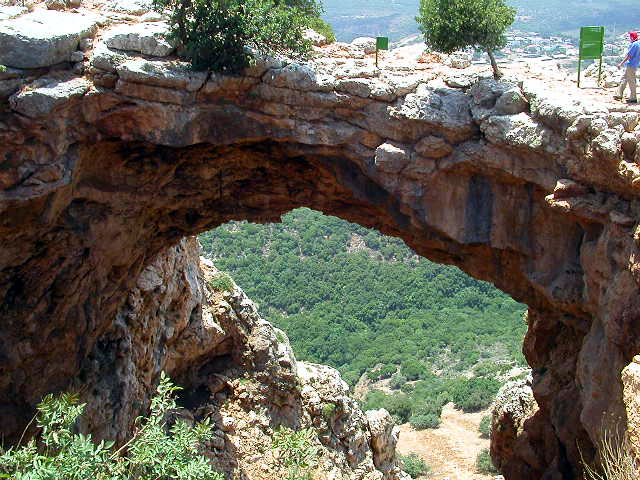
The Rainbow Cave located in Israel’s Galilee region, is an extraordinary part of nature, and it is what is called a “natural arch”. The stream it is near is called the Nahal Betzet.
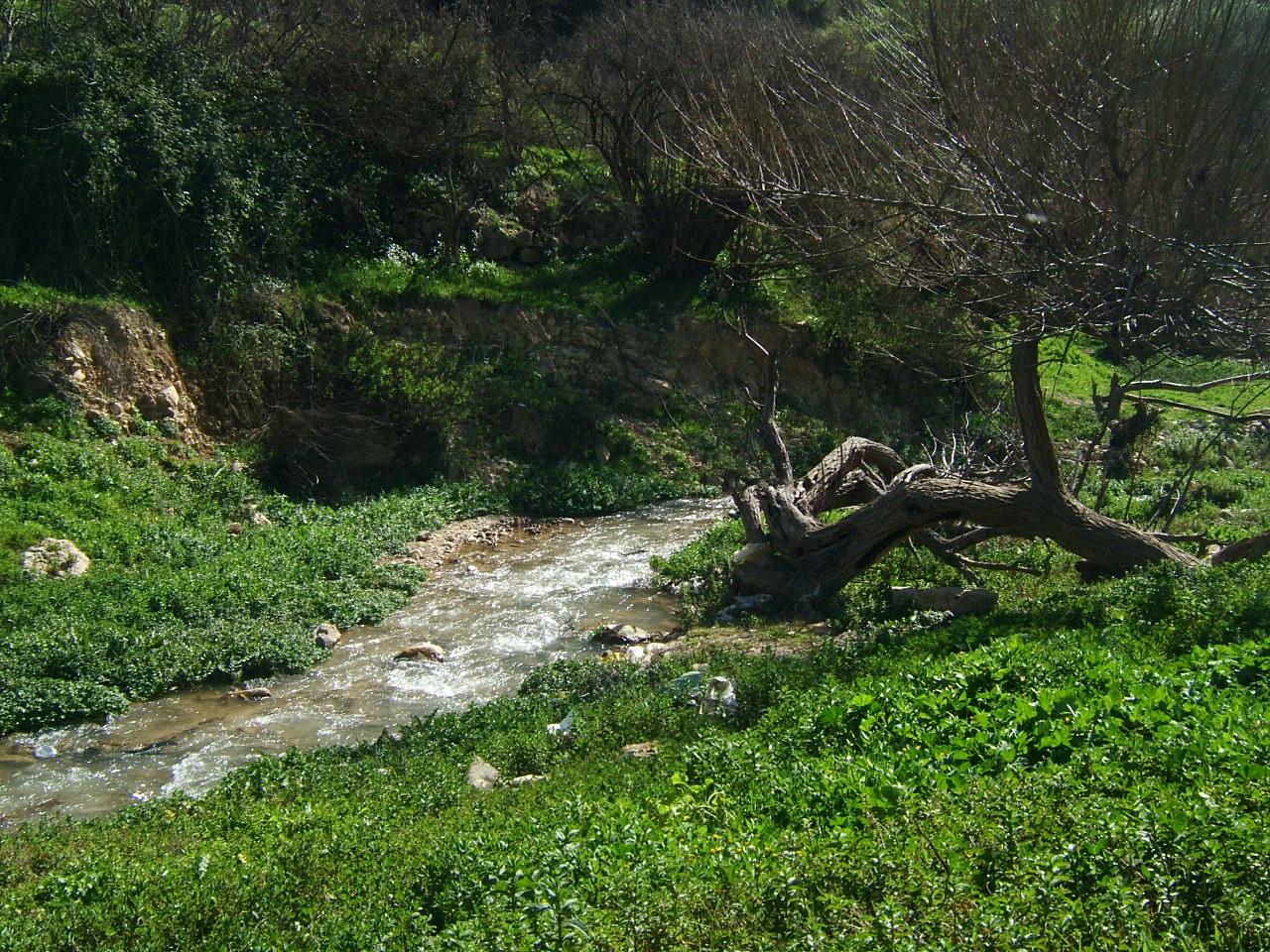
In neighbouring Jordan, this stream and the surrounding woods, located near the city of Salt, look exactly like much of the forestland I remember in Oregon:
Now going over to Iran, the following image is of the Shirabad Waterfall in the north-eastern part of the country. It is just as beautiful as all the other examples I have listed here:

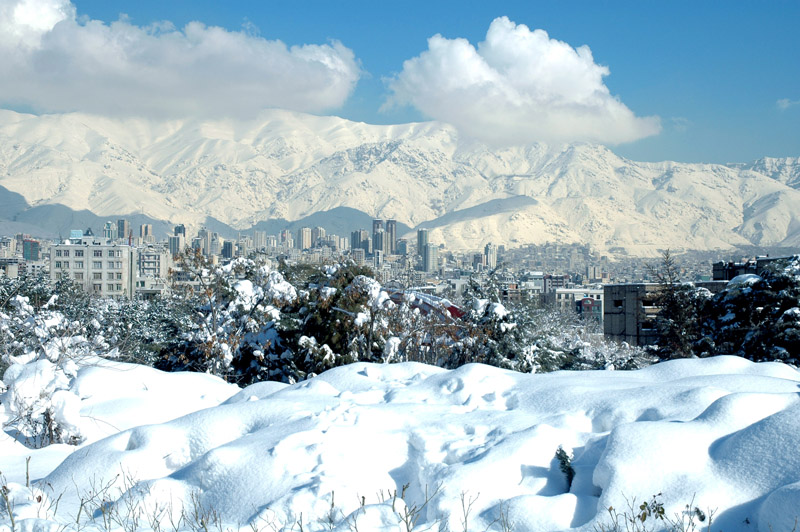
Finally, this picture shows Tehran and its surroundings completely covered in snow. It is only in the last couple of years I learnt that Tehran can receive a substantial amount of snowfall, and Iran itself has a large amount of ski resorts. This image is a spectacular view of the landscape:
The Middle East is a truly diverse place geographically, and as I noted above, some parts of it even look similar to areas of North America (yes, I did single out Oregon, but there are more places across the continent the region has resemblances to). It is not all flat and desert…not by a long shot, and it does disappoint me when some people assume it is (I have heard this same misconception be applied to all of Africa, too). Every region of the world has its natural beauty, and none of it should be dismissed so readily.
Subscribe to:
Posts (Atom)